Dialogue to Change
We train and coach local community members to organize and facilitate dialogues and deliberations that generate sustainable, inclusive action to address local problems.
Our Approach
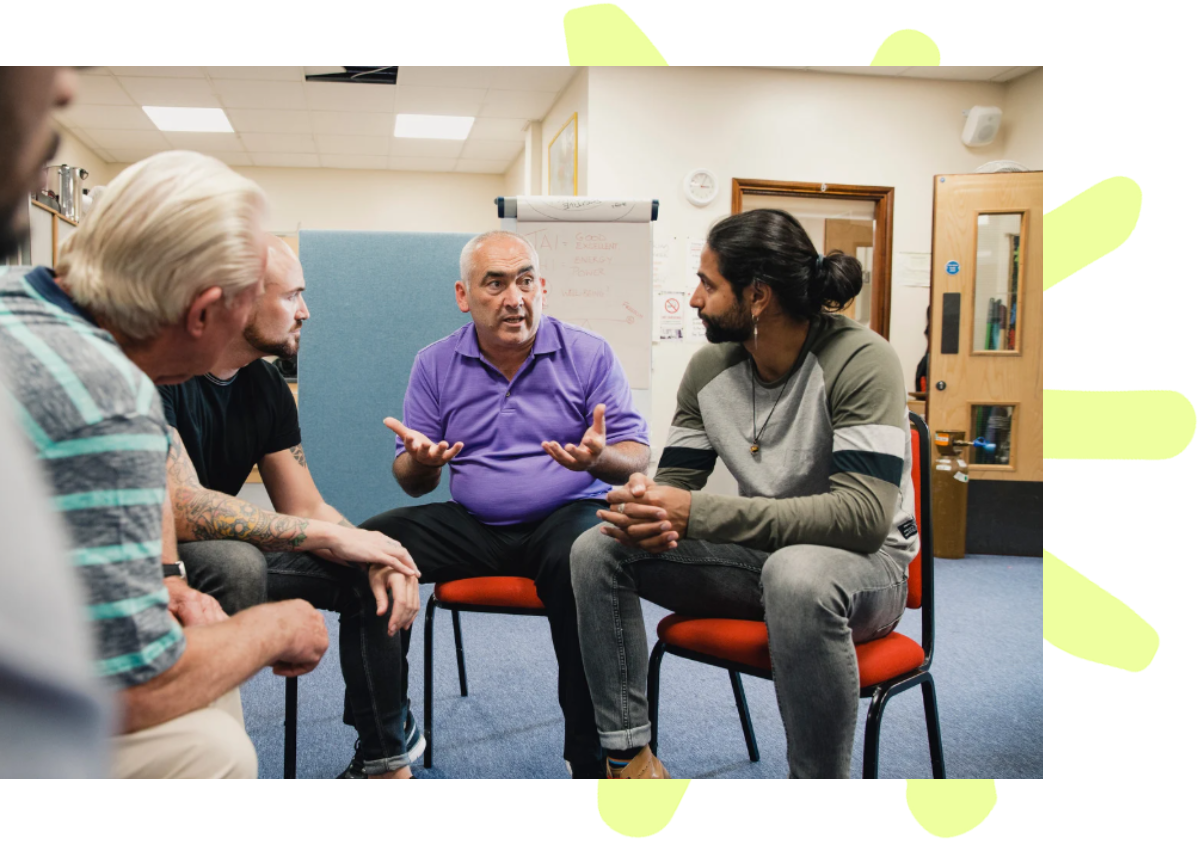
We center the voices of those most impacted by systems of oppression, while engaging the broader community to create fair, inclusive, community-driven solutions to shared challenges.
Dialogue to Change is a community engagement model that strengthens multiracial democracy by empowering and supporting local communities to lead organizing, dialogue, and action planning. For more than 30 years, Everyday Democracy has partnered with over 600 communities, using this approach to generate community-driven solutions to local issues including housing, public health, poverty, racial equity, education, environmental justice, and criminal justice.
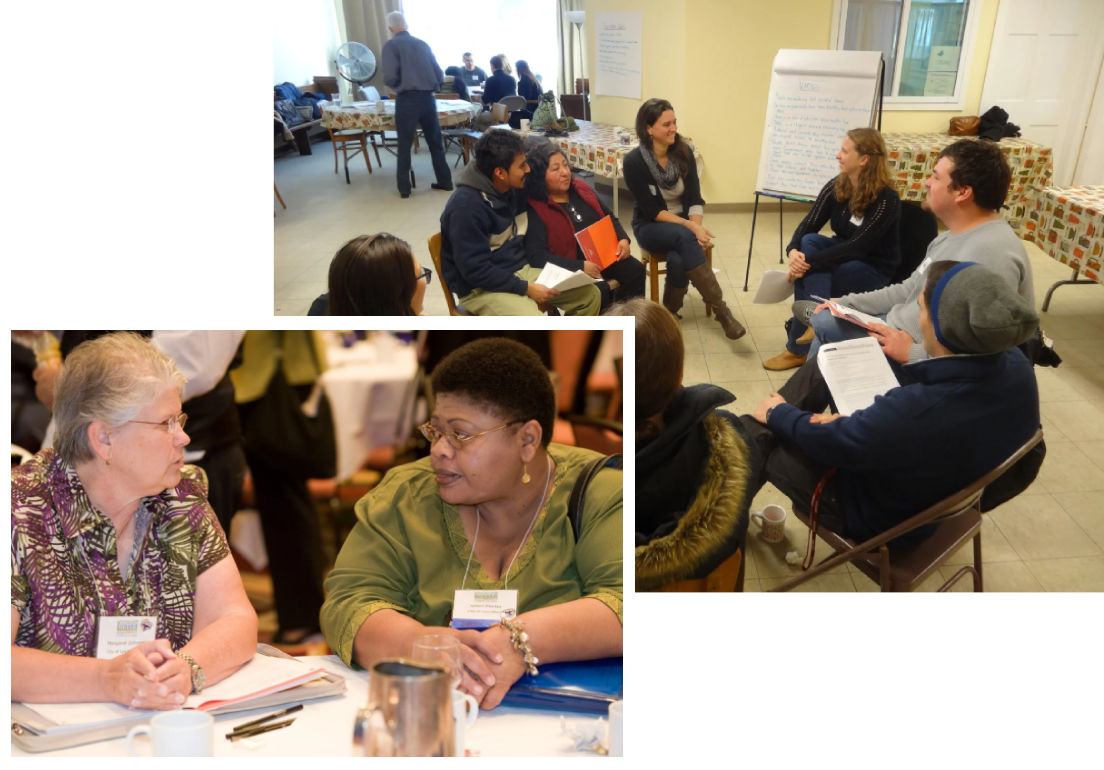
The 12–18 month process engages 100–150 community members across three phases: organizing, dialogue, and action. Dialogue to Change builds diverse coalitions and facilitates trauma-informed, truth-centered conversations that lead to sustainable community, policy, and organizational change. Our model equips local leaders and residents with the tools to drive lasting impact.
Everyday Democracy’s Dialogue to Change Model
Organize
The Dialogue to Change process begins with inclusive community organizing that draws people from all parts of the community to work on a shared issue. Everyday Democracy trains and supports a dedicated group of local stakeholders to lead this effort, forming and training a steering committee to build a diverse coalition and refine the focal issue. These steps lay the foundation for broad participation and collective action.



Dialogue
Next, Everyday Democracy trains and coaches community members to lead dialogues that generate inclusive solutions to local problems. Training includes our signature Multipartial Facilitation techniques, designed to engage multiple perspectives and reduce harmful power dynamics. Trained community facilitators then lead several small dialogue groups to consider the focal issue from multiple perspectives and explore practical solutions.

Action
Then, Everyday Democracy trains community members to lead deliberations that help the broader community understand, prioritize, and develop the ideas generated during the dialogue phase. Participants listen to and learn from each dialogue group, weigh evidence, and work toward shared understanding and practical solutions.
Through a deliberative action forum, these ideas are connected to actionable outcomes, ranging from new projects and collaborations to institutional or policy change. Following the forum, Everyday Democracy provides coaching to support implementation and long-term sustainability.

Impact Stories
Advancing Education Equity in Montgomery County, MD
With Montgomery County Public Schools
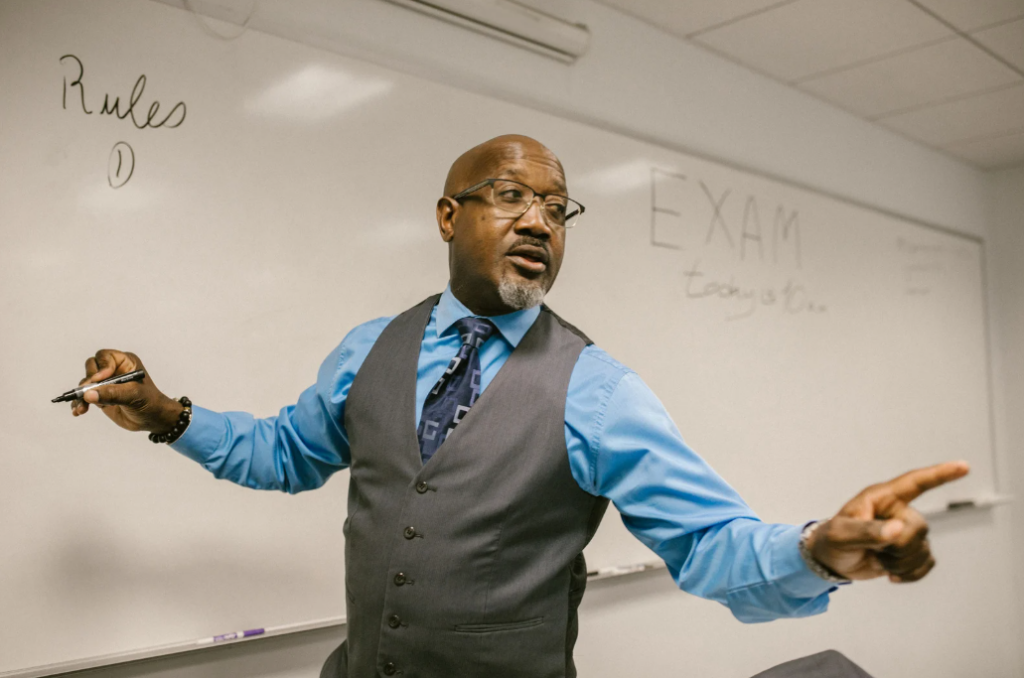 Closing the education achievement gap remains one of the most urgent challenges facing schools nationwide. Everyday Democracy brought Montgomery County students, parents, teachers, and administrators into honest dialogue about race, opportunity, and achievement.
Through facilitated conversations, training, and leadership development, students emerged as confident leaders, deepening their understanding of the racial and ethnic barriers shaping academic outcomes, while educators sharpened their awareness of how stereotyping affects teaching and discipline.
Participants built shared understanding, strengthened trust, and moved from reflection to action. Families co-created multilingual support systems, expanding engagement across communities, and together, the community developed fairer discipline practices and more inclusive pathways—turning dialogue into lasting, community-led change.
“It’s inspiring to see the parents feel empowered, have a student have their voice heard, or have a staff member have a kind of realization. I think all those little things really add up to the bigger change people in the school system are trying to make.”
Building Safety and Justice in the South Bronx
With New York Faith and Justice Network
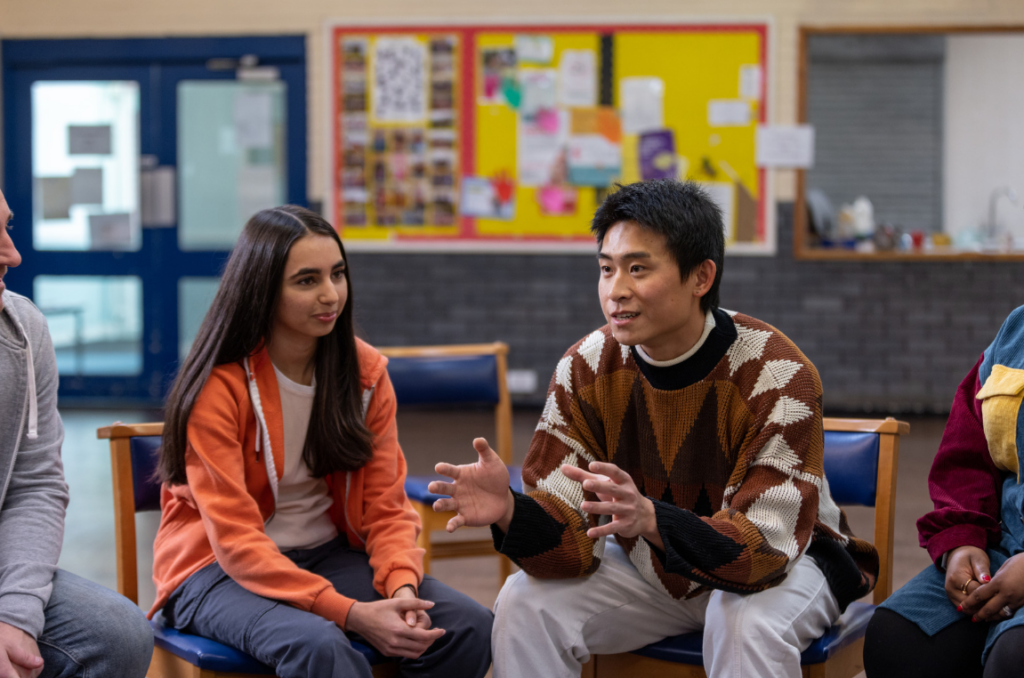 Across New York City, a surge in police violence was already deepening divisions between law enforcement and community members when yet another man was shot in the South Bronx. Local leaders knew they needed to increase and expand community engagement around the problem.
Everyday Democracy partnered with community members and police officers to create spaces for honest dialogue, healing, and collective problem-solving. Community members and officers built relationships, strengthened communication, and formed a coalition grounded in shared needs and lived experience.
Together, participants advanced concrete change—promoting greater representation of Latine and African Americans within the South Bronx police force and developing advocacy strategies to address racial profiling and violence—turning dialogue into lasting progress toward safety and justice.
“Both the police and the community members were shocked at how effective [Everyday Democracy’s] process was at breaking down barriers to communication…and leading toward real change.”
Everyday Democracy’s Dialogue to Change Model
Organize
The Dialogue to Change process begins with inclusive community organizing that draws people from all parts of the community to work on a shared issue. Everyday Democracy trains and supports a dedicated group of local stakeholders to lead this effort, forming and training a steering committee to build a diverse coalition and refine the focal issue. These steps lay the foundation for broad participation and collective action.


Dialogue
Next, Everyday Democracy trains and coaches community members to lead dialogues that generate inclusive solutions to local problems. Training includes our signature Multipartial Facilitation techniques, designed to engage multiple perspectives and reduce harmful power dynamics. Trained community facilitators then lead several small dialogue groups to consider the focal issue from multiple perspectives and explore practical solutions.
Action
Then, Everyday Democracy trains community members to lead deliberations that help the broader community understand, prioritize, and develop the ideas generated during the dialogue phase. Participants listen to and learn from each dialogue group, weigh evidence, and work toward shared understanding and practical solutions.
Through a deliberative action forum, these ideas are connected to actionable outcomes, ranging from new projects and collaborations to institutional or policy change. Following the forum, Everyday Democracy provides coaching to support implementation and long-term sustainability.

Impact Stories

Advancing Education Equity in Montgomery County, MD
With Montgomery County Public Schools
Closing the education achievement gap remains one of the most urgent challenges facing schools nationwide. Everyday Democracy brought Montgomery County students, parents, teachers, and administrators into honest dialogue about race, opportunity, and achievement.
Through facilitated conversations, training, and leadership development, students emerged as confident leaders, deepening their understanding of the racial and ethnic barriers shaping academic outcomes, while educators sharpened their awareness of how stereotyping affects teaching and discipline.
Participants built shared understanding, strengthened trust, and moved from reflection to action. Families co-created multilingual support systems, expanding engagement across communities, and together, the community developed fairer discipline practices and more inclusive pathways—turning dialogue into lasting, community-led change.
“It’s inspiring to see the parents feel empowered, have a student have their voice heard, or have a staff member have a kind of realization. I think all those little things really add up to the bigger change people in the school system are trying to make.”

Building Safety and Justice in the South Bronx
With New York Faith and Justice Network
Across New York City, a surge in police violence was already deepening divisions between law enforcement and community members when yet another man was shot in the South Bronx. Local leaders knew they needed to increase and expand community engagement around the problem.
Everyday Democracy partnered with community members and police officers to create spaces for honest dialogue, healing, and collective problem-solving.
Community members and officers built relationships, strengthened communication, and formed a coalition grounded in shared needs and lived experience.
Together, participants advanced concrete change—promoting greater representation of Latine and African Americans within the South Bronx police force and developing advocacy strategies to address racial profiling and violence—turning dialogue into lasting progress toward safety and justice.
“Both the police and the community members were shocked at how effective [Everyday Democracy’s] process was at breaking down barriers to communication…and leading toward real change.”